Raj Morgan
STORY:
2022 was the year that completely changed me creatively and personally. In July, I lost my mom. In October, I lost my dad. During that same period, I was also experiencing the slow end of a withering relationship. As an only child who was extremely close to both of my parents, it felt like my entire world collapsed within a matter of months. Everything became heavier and mentally, emotionally, and creatively I felt lost for a long time.
During that period, I found myself gravitating even more toward darker storytelling, music, and art that reflected what I was feeling internally. It became my comfort place. I spent a lot of time revisiting my favourite bands, especially Nine Inch Nails, along with the stories that shaped me growing up through professional wrestling. Wrestling always fascinated me because it was never just about fighting. It was about identity, redemption, obsession, tragedy, and spectacle. Childhood heroes like Stone Cold Steve Austin, The Rock (before he became Hollywood Dwayne), and darker figures like The Undertaker and Kane made me realize storytelling could be theatrical, uncomfortable, emotional, honest, and filled with attitude all at once.
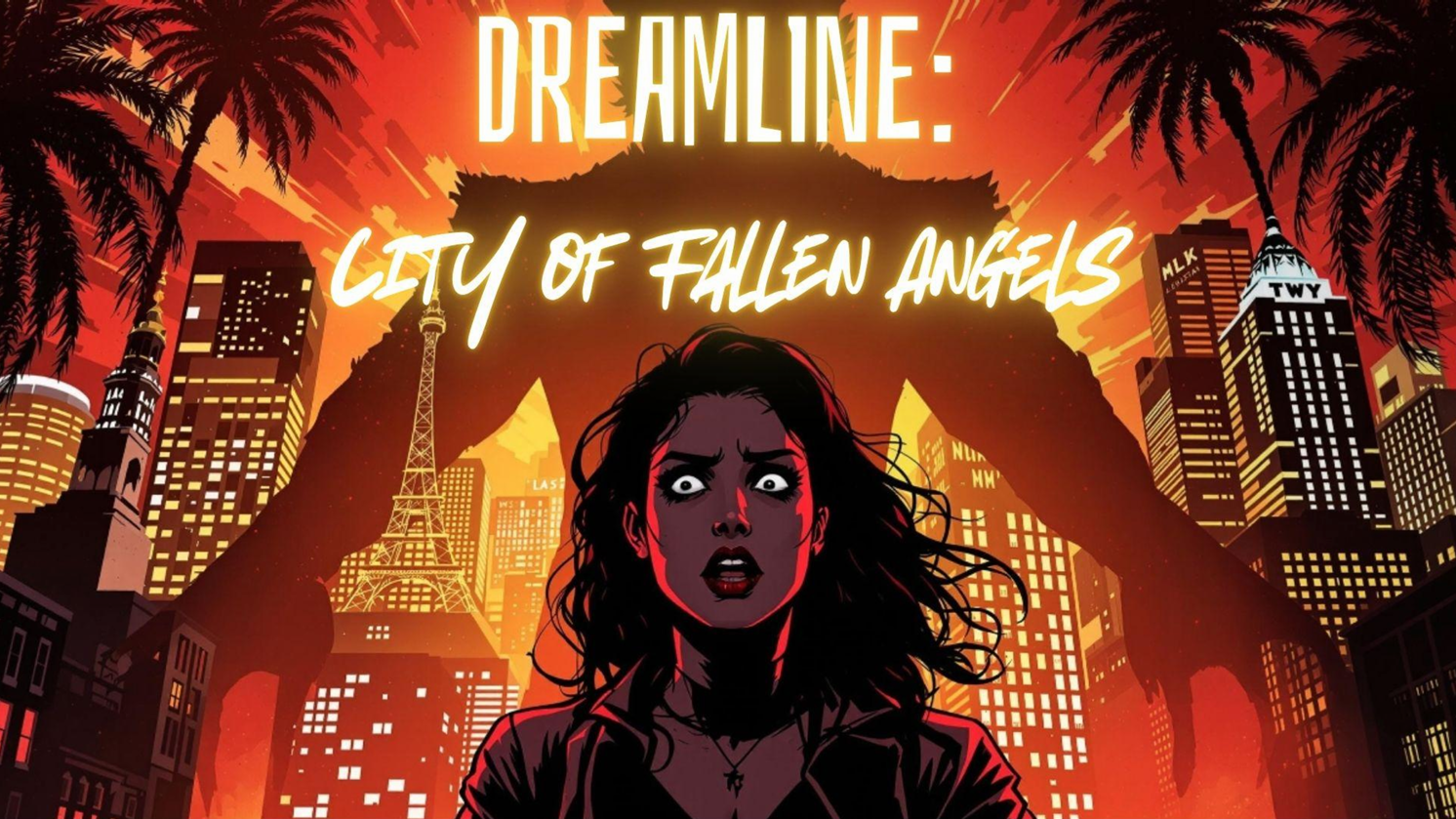
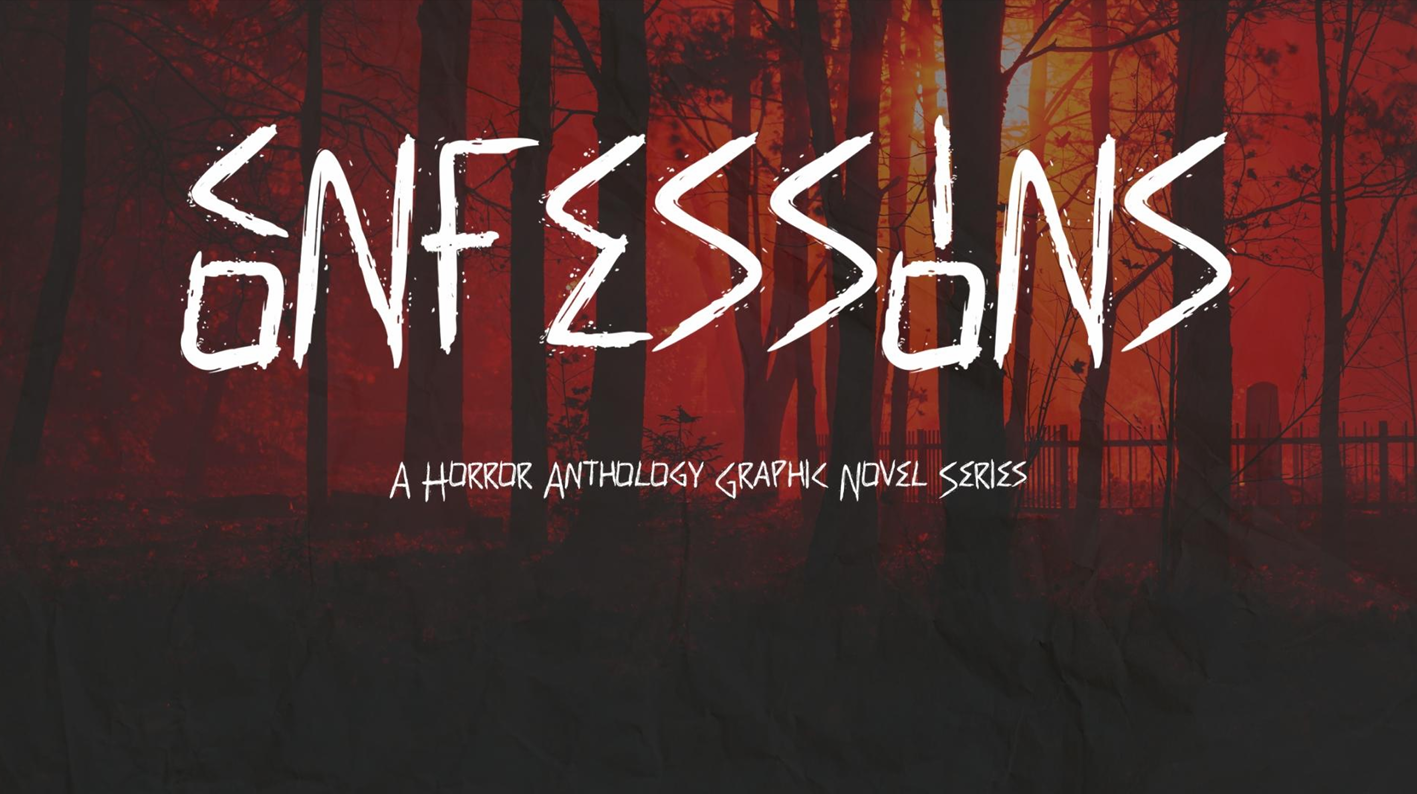
When the dust settled after the most tumultuous time of my life, I realized I was faced with two choices. I could continue sinking deeper into grief and isolation, or I could follow the example of the artists and characters that inspired me growing up and finally flesh out my own stories, as tragic as they were. That mindset directly influenced the early concepts for Dreamline and the Confessions series. Those stories became a way for me to channel grief, anger, disappointment, ambition, and fear into something creative instead of letting those emotions consume me. Dreamline especially became personal because it reflects my own fears surrounding success and identity. It asks what happens when someone chases fame, recognition, and a better life while slowly risking parts of themselves in the process.
I have always connected more with darker and grittier stories that are willing to push boundaries creatively instead of playing things safe. Not everyone sees themselves in Superman. Some of us see ourselves more in Batman. As painful as 2022 was, it also made me more honest as an artist. I stopped feeling like stories always needed clean optimism or simple answers. Sometimes people survive by embracing the darker parts of themselves and learning how to carry that weight forward. Forget stories about perfection and bright sunny days. I connect more with stories about endurance, transformation, and finding light even through the darkest days.
“It can’t rain all the time” - The Crow, 1994.
Biography:
I am a storyteller and multimedia creative whose background spans marketing, journalism, content creation, business development, and television writing. No matter where I worked creatively, I always found myself drawn toward stories that felt emotional, human, and visually striking. I love exploring entertainment and social issues through projects that stay with people long after they experience them. Artistically, I gravitate toward darker and more psychological forms of storytelling, though my love for storytelling itself started much earlier through the brighter memories I shared with my parents. One of my favourite films growing up was The Lion King, which I bonded over deeply with my dad. My mom and I connected through regional cinema and our shared sense of humour. In many ways, we were basically Bart Simpson and Marge Simpson in real life. Those experiences gave me my emotional connection to storytelling, family dynamics, and character-driven narratives.
At the same time, I was becoming fascinated by darker and more theatrical art. A major turning point for me creatively was discovering Nine Inch Nails after seeing “The Perfect Drug” music video on MTV as a kid. Around the same time, I became obsessed with the supernatural wrestling feud between The Undertaker and Kane in the late 90s. As an impressionable eight-year-old boy, those experiences completely changed the way I saw storytelling. They showed me that stories could be dark, theatrical, emotional, unsettling, and still deeply human. That contrast between warmth and darkness continues to shape my creative process today. I have always been interested in pushing creative boundaries and exploring how far storytelling can go emotionally, psychologically, and visually. My current project, Dreamline, reflects many of those influences through a transmedia horror-thriller universe that explores fame, identity, trauma, ambition, and the fear of losing yourself while chasing success.