Systems are
sustainable
Thoughtful systems create consistency, scalability, and room for creativity.
3 Years Tales from the Pandemic
Design sustainable systems that support long-term community growth while creating a consistent experience for creators and partners.
From the beginning, I wanted the 3 Years community to grow through repeatable systems rather than constant improvisation. I developed structured processes for creator applications, onboarding, newsletters, community town halls, retail partnerships, and creator support so the experience would remain consistent as the community expanded. Each system was designed to reduce administrative effort while strengthening communication, encouraging participation, and creating a foundation that could continue to grow alongside the community. By investing in sustainable processes early, I created an ecosystem that supports both today's creators and future growth.
Amazon
Help develop a global self-service portal that gave executive recruiters consistent access to guidance, resources, and support across time zones.
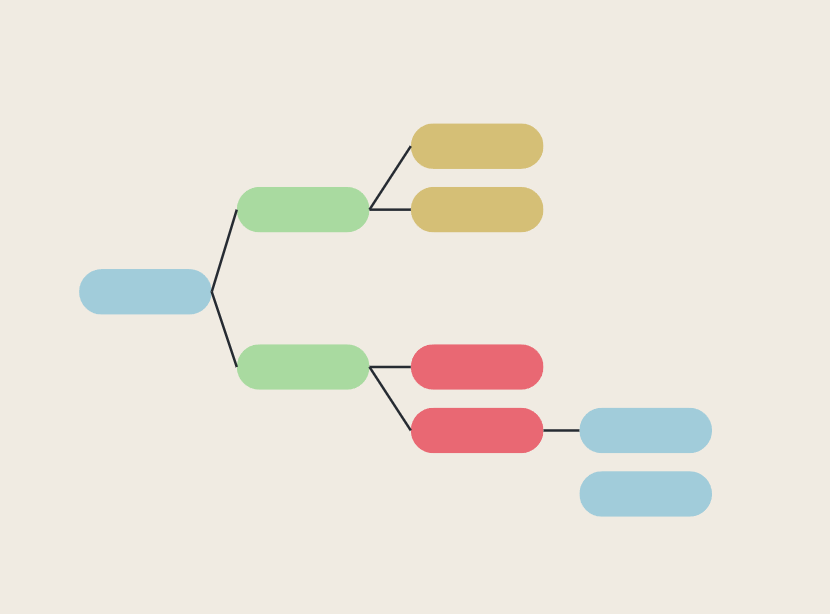
Working across teams within the Executive Recruiting organization, I helped develop a self-service portal that gave recruiters access to frequently asked questions, contact resources, and process guidance 24/7. I contributed to the portal's decision-tree structure, back-end programming, and user-facing language, helping organize complex recruiting information into clear, easy-to-follow pathways. Supporting recruiters across multiple global time zones, the portal created a more sustainable support system by centralizing knowledge, improving consistency, and reducing the need for repetitive questions to internal teams.
Microsoft
Create a structured evaluation system that gave managers and training teams consistent insight into each lobby host’s progress, development needs, and best-fit placement.
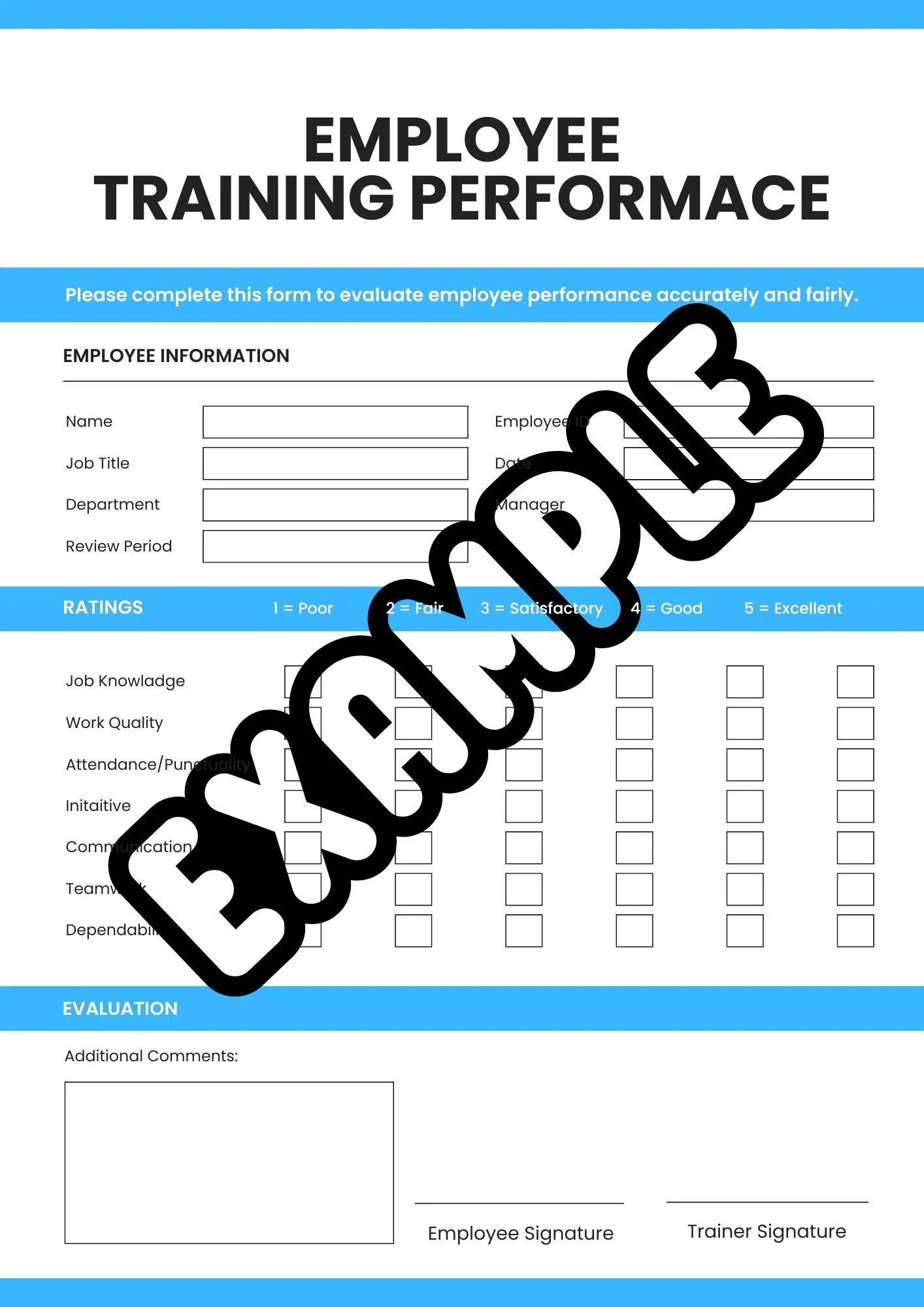
I created a review and feedback rubric for onboarding new lobby hosts, establishing a consistent way to measure the skills and behaviors required for success after training. The rubric organized feedback by overall training topics, individual exercises, and a defined numerical rating scale. Results were shared with hiring managers, HR partners, and training coaches at the midpoint of training and again two days before completion. This system allowed the team to adjust coaching styles, reinforce specific training topics, and make more informed decisions about the work volume and environment in which each lobby host was most likely to succeed.

auto-owners insurance
Establish a cross-functional software implementation committee to improve communication, knowledge sharing, and coordination across business divisions.
As a Claims Technology Specialist, I was responsible for testing new software, developing implementation plans, creating guidance and FAQ documentation, and participating in rollout meetings with leaders and vendors. I expanded this work into a cross-functional software implementation committee that brought together IT support and representatives from Claims, Underwriting, and other support divisions. Through regular meetings, the group shared updates on upcoming releases, software testing, and recurring issues affecting multiple teams. The committee created clearer communication channels, reduced information gaps, and supported smoother software adoption across the organization.